

When UK OEMs engage a design and manufacturing partner, one of the earliest – and most consequential – decisions is defining the scope of work. Should the partner handle only the PCBA? Take on a complete box build? Or own the full vertical stack from injection-molded enclosures through to tested, packaged end product? Each model carries different risk profiles, cost structures, and integration demands. Getting this wrong early adds cost and delays downstream. This article gives you a practical decision framework grounded in real program constraints.ey Points
TL;DR
- PCBA-only scope works when you have strong in-house integration capability and want to retain mechanical and system-level control.
- Box build transfers integration complexity to the design and manufacturing partner, but requires a tightly specified handoff to avoid ambiguity at the seams.
- Full vertical manufacturing suits programs where design, tooling, and production are tightly coupled and volume justifies consolidation.
- The right scope decision depends on your internal capability, program maturity, volume trajectory, and supply chain risk tolerance – not on what sounds simplest.
- Misaligned scope is one of the leading causes of NPI delays and cost overruns in electronics programs.
About the Author: Season Group is a design and manufacturing partner with 50+ years of electronics manufacturing experience, operating across a multi-site network in the UK, Mexico, Malaysia, and China. This perspective draws on decades of NPI handoffs, box build integrations, and vertical manufacturing programs across industrial, automotive, and aerospace sectors.
What is the difference between PCBA, box build, and full vertical manufacturing?
These three terms define progressively broader scopes of engagement, and conflating them creates real problems during quoting, scheduling, and quality ownership versae.com.
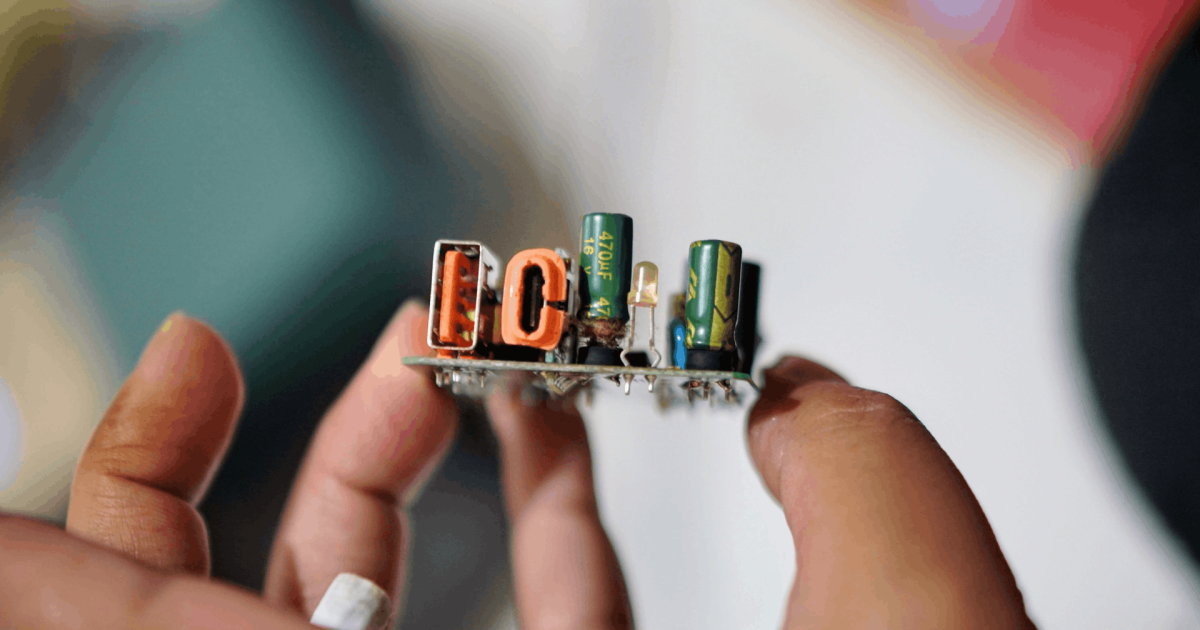
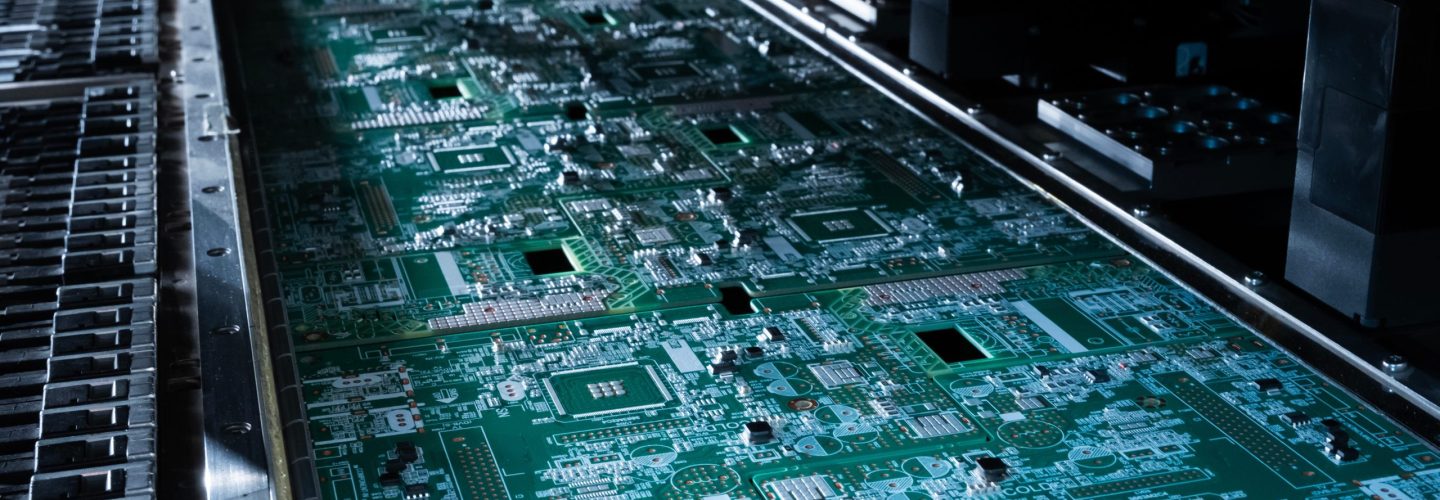
- PCBA (Printed Circuit Board Assembly): The partner populates a bare PCB with components using SMT and/or through-hole processes, then tests the populated board. The output is a tested PCBA – not a finished product.
- Box build assembly: The partner takes a tested PCBA and integrates it into a finished product – enclosure, wire harnesses, cable assemblies, firmware loading, labeling, and functional test macrofab.com. The output is a complete, shippable unit.
- Full vertical manufacturing: The partner owns most or all of the upstream processes too: fabricating or molding the enclosure, producing wire harnesses, managing subassemblies, and performing final integration and test. The supply chain converges inside one partner wellerpcb.com.
Each layer adds integration complexity. Each also reduces the number of handoffs you manage directly – which is either a benefit or a risk depending on your own team’s bandwidth and the partner’s capability depth.
When does PCBA-only scope make sense for a UK OEM?
PCBA scope is often underestimated as a “basic” engagement, but for many programs it is the correct choice. The deciding factor is whether your team has the engineering bandwidth and supply chain infrastructure to manage everything downstream of the bare board. Defects introduced during downstream integration – often by the OEM’s own team or third-party assemblers – are sometimes traced back to the PCBA without evidence, creating supplier disputes that reveal whether your internal integration process is well-controlled.
PCBA-only works well when:
- You manufacture your own enclosures or source them from a long-standing mechanical supplier.
- You have in-house system integration, firmware loading, and final test capability.
- Your program volume is low enough that integration complexity stays manageable internally.
- You want tight control over final product configuration and test methodology.
A practical indicator: if your team spends more time managing PCBA suppliers, integration contractors, and test houses separately than it does on product development, consolidating scope is worth modeling.
What does a box build engagement actually require from the OEM?
Box build transfers integration ownership to the design and manufacturing partner, but this only works if the handoff documentation is complete ablcircuits.co.uk. Incomplete box build specifications are one of the most consistent sources of delay and rework in electronics programs. Tighter specification catches more defects upfront, but it also demands more effort from your team during the quoting and planning phase.
A complete box build specification should include ablcircuits.co.uk:
- Full bill of materials covering all mechanical, electrical, and consumable items
- Wire harness routing, length tolerances, and connector orientation drawings
- Firmware revision and loading procedure
- Enclosure assembly sequence with torque specifications
- Functional test procedure and pass/fail criteria at system level
- Labeling, serialization, and cosmetic acceptance criteria
- Packaging and shipping configuration
What most OEMs underspecify: acceptance criteria for cosmetic standards, thermal management (gasket compression, heat sink torque), and firmware versioning protocol. These gaps surface in production, not during quoting.
Box build also shifts who owns the supply chain for mechanical and electromechanical components pcbsync.com. If the design and manufacturing partner is sourcing enclosures, connectors, and harness materials, their supplier relationships and lead times become your program’s critical path. This is worth interrogating during partner selection – not after first article inspection.
When does full vertical manufacturing justify the consolidation?
Full vertical manufacturing suits programs where the interdependencies between mechanical, electrical, and system-level processes are tight enough that managing them across separate suppliers creates compounding risk. At a single site this is a scheduling problem; across multiple suppliers it becomes a sourcing and inventory one. Consider consolidation when:
- Your enclosure design and PCBA layout are co-dependent (thermal, EMC, or structural reasons).
- Your program volume is high enough that in-house tooling and molding is cost-justified at the partner level.
- You are managing EOL or redesign risk across multiple subcomponent categories simultaneously.
- Regulatory or traceability requirements demand a single audit trail across all production inputs.
The trade-off is real: full vertical integration means your program’s output quality, delivery, and cost are more heavily concentrated in one partner’s operational performance. If that partner has a site disruption or capacity constraint, you have fewer options. This is why supply chain resilience planning – including multi-site capability and process transferability – matters more in vertical programs than in PCBA-only engagements.
At the network level, a partner with manufacturing sites across multiple geographies can mitigate this concentration risk while still maintaining vertical capability. That is a structural question to ask during partner evaluation.
How should a UK OEM structure the scope decision?
The scope decision is not a binary – it maps to your program’s specific combination of internal capability, volume, and risk tolerance. Use this framework:
| Factor | Points toward PCBA scope | Points toward box build | Points toward vertical |
|---|---|---|---|
| Internal integration capability | Strong | Limited | Very limited |
| Program volume | Low-medium | Medium-high | High |
| Enclosure complexity | Low | Medium | High / co-designed |
| Traceability requirements | Standard | Elevated | Stringent |
| Supply chain management bandwidth | High | Medium | Low |
| Time to market pressure | Flexible | Moderate | Aggressive |
Run this against your actual program before approaching a design and manufacturing partner in the UK for quotes. Arriving with a clear scope position gives you more comparable quotes, tighter SLAs, and less ambiguity in the contract.
How Season Group approaches scope decisions with OEMs
Season Group operates as a design and manufacturing partner across all three scopes – PCBA, box build, and full vertical – across its manufacturing network in the UK, Mexico, Malaysia, and China. With 50+ years of production experience and integrated DFX capability from early concept through NPI, the team is positioned to help OEMs stress-test their scope assumptions before committing to a production model. The UK facility handles quick-turn NPI and supports build-transfer decisions where regional proximity matters. For programs where vertical integration makes operational sense, the China facility offers large-format plastic injection molding, wire harness production, and high-volume PCBA under one roof – a practical combination for complex box builds where co-located integration reduces defect introduction risk.
Frequently Asked Questions
Q: Can I start with PCBA scope and expand to box build later?
Yes, and many programs follow this path. The key is ensuring your design and manufacturing partner understands the eventual target scope from the beginning – it affects how they set up process documentation, test fixtures, and supplier relationships.
Q: What is the typical documentation required to start a box build quote?
At minimum: a full BOM, assembly drawings, functional test requirements, and packaging spec. The more complete your specification, the more accurate and comparable your quotes will be ablcircuits.co.uk.
Q: Does full vertical manufacturing always cost less than managing multiple suppliers?
Not automatically. Vertical consolidation reduces coordination cost and often improves quality at the seams, but the per-unit cost depends on volume, tooling amortization, and the partner’s overhead structure. Model it for your specific program.
Q: How do I evaluate whether a design and manufacturing partner can handle box build complexity?
Ask for evidence of completed box builds at similar complexity levels – parts count, harness count, firmware integration, and test coverage. Reference visits and first-article inspection protocols are better indicators than capability claims.
Q: What is the biggest risk in box build that OEMs overlook?
Incomplete acceptance criteria, particularly for cosmetic standards and functional test pass/fail thresholds. Gaps here create subjective disputes at goods-in that slow payments and damage supplier relationships ablcircuits.co.uk.
Q: When should I keep box build in-house rather than outsource it?
When your internal team has established integration processes, your program volumes are low, and the learning curve cost of transferring to a design and manufacturing partner outweighs the efficiency gain. Outsourcing integration prematurely can introduce more variability, not less.
Q: Does the scope decision affect my product certifications?
It can. If the design and manufacturing partner is sourcing materials or subcomponents that were not part of the original certification build, you need to confirm that substitutions do not invalidate your CE, UKCA, UL, or other approvals. This is especially relevant in box build and vertical programs pcbsync.com.
About Season Group
Season Group is a global design and manufacturing partner with 50+ years of electronics manufacturing experience, operating production facilities across the UK, Mexico, Malaysia, and China. The company works with OEMs across industrial, automotive, and aerospace sectors, offering integrated services from early-stage DFX and NPI through full box build and vertical manufacturing. Its UK facility supports quick-turn NPI and regional production, while its broader multi-site network provides scalability and build-transfer flexibility for programs as they grow. If you are defining manufacturing scope for an upcoming program or evaluating whether your current model is the right fit, visit https://www.seasongroup.com or reach out at inquiry@seasongroup.com to start a conversation with the team.