

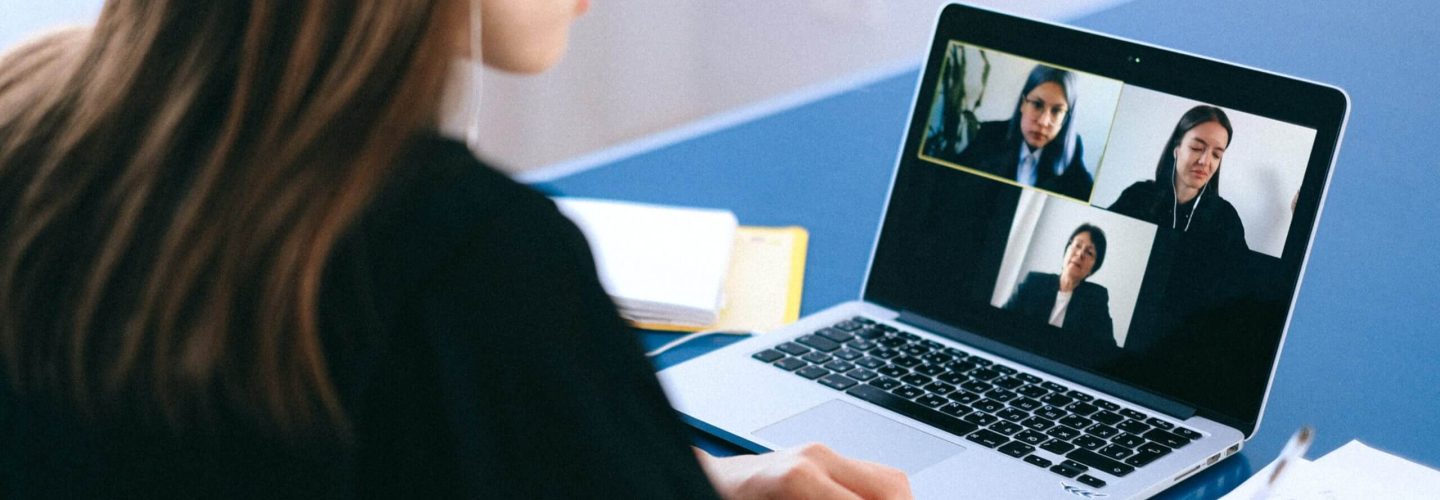
Virtual calls and meetings seem to be here to stay after their rapid and overwhelming arrival in our work lives alongside the pandemic. The way we communicate with our colleagues, business partners and customers has gone down a steep digital path. Virtual ‘thumbs up’ and video calls have become more common than handshakes and face-to-face interactions. Workplace and private life boundaries are no longer constrained to office hours and physical surroundings.
These changes in communication can have large implications on how we operate at work. Here are four rules I follow to ensure I am communicating healthily with my coworkers.
1. Just because we can connect doesn’t mean we have to.
Technology has allowed us to connect with our colleagues regardless of geographical or temporal constraints. We can chat with individuals and groups simultaneously and instantly through the internet. Whilst we have this capability at our disposal, it doesn’t mean we should misuse it.
A common phrase I’ve heard during the pandemic is “Zoom fatigue” — when video calls and conferences cause mental exhaustion. One way to manage this is to ensure we connect and keep in touch with our colleagues meaningfully without needing endless virtual calls. As such, video calls and virtual meetings should be kept at a minimum and to the point, allowing our colleagues the time and space to work at their own pace. Meeting agendas should be clearly communicated before the meeting, with meeting minutes serving as an FYI disseminated to relevant colleagues who were not part of the meeting or discussion. Instead of requiring all “relevant” colleagues to be present in such virtual meetings, this traditional form of written updates gives colleagues working remotely more control over their workspace and schedule whilst providing them with the latest updates so everyone stays informed.
2. Make sure we connect through the right means.
In a digital world where there are multiple forms of communication, we should make use of both new forms of communication and old ones to ensure we are communicating meaningfully, effectively and efficiently.
A trap we often fall into is to use various communication mediums — that have social purposes — for work. Instant messaging has blurred the lines between our professional and private lives. WhatsApp seems to be for both work and family. But it may blur the lines too much. I, for one, keep work requests on Teams, and news and well wishes on WhatsApp to make sure there is a clear distinction of purpose between these two communication channels. A way to check if a certain mix of communication media is working well with your team is to actively ask your colleagues for feedback. We have enough communication options out there to ensure that different needs can be satisfied whilst keeping to certain boundaries.
3. When we can connect in person, do.
Humans are social beings, and social interactions are of the best quality when they are in person. If you can walk over to your colleague’s desk for a quick chat rather than send a message or email, do it. If we can meet in person instead of online for an important discussion, do it.
Whilst we may live in an increasingly digital world, we have to remember that technology is there to help us out, not to fully replace traditional forms of communication. I am grateful that my team in Hong Kong is 76% fully vaccinated and we are able to have such face-to-face interactions again! They are much welcomed.
4. Working hours are there for a reason.
Work-related stress that arose during the pandemic, alongside our turn toward remote and digital work, can be strongly linked to the blurred lines between our professional and private lives. With incessant connection to work and no time nor (mental) space to “turn off,” stress builds and we burn out. We are only human, after all. As such, it is important we make a conscious effort to respect paid time off and ensure our colleagues are getting proper off-hours and rest times. Being constantly on the go is not sustainable. With the news of employees burning out around the world and the Great Resignation, it is about time we reconsider how we can help our colleagues achieve a work-life balance and encourage a sustainable work environment and culture. We start by respecting our colleagues’ off-hours whether they are working from the office or from home.
With the pace of technological advancements, the types of communication platforms will only get increasingly more diverse and complex. In the face of such a digital trend, consider the purpose of each communication medium and how best to address our professional needs effectively and efficiently through them. The greater connectivity that these new platforms provide means we have to make an active effort to respect the working and personal space of our colleagues so there is a sustainable working culture within the company.
Originally published on Forbes on 29th October 2021